How to Find the Best Functional Testing Services in 2023?

When it comes to software development, ensuring the functionality and reliability of your product is crucial. That’s where functional testing services come into play. These testing services provide a systematic & comprehensive approach to testing your software’s functionalities. As a result, they identify any functional issues in your software that need to be addressed.

However, with numerous service providers in the market, finding the best software testing services can be a daunting task. Therefore, this article will explore the key factors that you should consider when searching for an ideal functional testing service provider.

Understanding Functional Testing Services

Functional testing services play a crucial role in software development by ensuring that your software functions as intended and meets user requirements. Also, these services involve the systematic evaluation of various functionalities. The services mainly include user interfaces, APIs, database interactions, and more.

By conducting comprehensive tests, this testing service identifies any bugs or defects within your software. Their goal is to ensure that your software delivers a seamless user experience and operates flawlessly in real-world scenarios. By opting for testing services, you can enhance your software’s quality & reliability.

Factors to Consider When Choosing Testing Services

When it comes to choosing the right functional testing service providers for your software, several crucial factors should be taken into account. So, read this section to explore the key factors that should be considered when selecting functional testing services, helping you find the perfect fit for your software testing needs.

  1. Expertise & Experience: Look for service providers with extensive expertise in functional testing service providers. Also, consider their experience in your industry and their track record of successful projects.
  2. Range of Testing Services: Ensure that the service provider offers a comprehensive range of testing services. The services may include test case design, test execution, bug tracking, and test reporting.
  3. Compatibility: Verify if the testing services are compatible with the software platforms & technologies you are using. So, it’s essential to choose a provider who understands your specific software requirements.
  4. Flexibility & Scalability: Consider the flexibility & scalability of the testing services. The provider should be able to adapt to your changing needs. Also, they should handle increased testing requirements as your software evolves.

By considering these factors, you can make an informed decision and choose the best functional testing services that meet your specific requirements.

Researching & Shortlisting Testing Providers

Finding the best functional testing service provider requires thorough deep & careful evaluation. The following steps will guide you to research & shortlist the best software testing service providers:

  1. Online Research: Begin by conducting online research to identify potential testing providers. Explore their websites, check for customer reviews & testimonials, and gather information about their services and expertise.
  2. Industry Forums & Recommendations: Engage with industry forums & communities to seek recommendations from professionals who have experience with testing services. Their insights & suggestions can be invaluable in narrowing down your options.
  3. Company Websites & Portfolios: Visit the websites of shortlisted providers to gather detailed information about their offerings, experience, and past projects. Look for case studies & portfolios that highlight their expertise in functional testing.
  4. Evaluation of Case Studies: Review case studies and success stories to understand the provider’s approach, methodologies, and the outcomes they have achieved for their clients. This information can give you a sense of their capabilities and results.

By following these steps, you can gather valuable information and shortlist the functional testing services that align with your requirements. This research phase sets the foundation for the next step of evaluating and selecting the best provider for your specific needs.

Evaluating & Choosing a Functional Testing Service Provider

Once you have shortlisted potential functional testing service providers, it’s time to evaluate them and make the final selection. The steps will guide you to evaluate & choose a functional testing provider that suits all your requirements:

  1. Request Proposals & Conduct Interviews: Reach out to the shortlisted providers and request detailed proposals that outline their approach, methodologies, and pricing. Schedule interviews to discuss your project requirements and assess their understanding and expertise.
  2. Review Service Level Agreements (SLAs): Carefully review the service level agreements to understand the scope of services, project timelines, and expected deliverables. Pay attention to factors like bug reporting, test reports, and communication protocols.
  3. Communication & Collaboration: Consider the communication and collaboration process offered by the provider. Effective and timely communication is crucial for successful collaboration. So, ensure they have clear channels and responsive communication practices.
  4. Verify Infrastructure & Security: Inquire about the provider’s infrastructure, including testing environments, hardware, and software resources. Assess their security measures to ensure the confidentiality and integrity of your software.

By following these evaluation steps, you can gain a deeper understanding of each provider’s capabilities and make an informed decision. With the right provider by your side, you can ensure the success of your software through thorough and reliable functional testing.

Wrapping It Up

This article elaborates on the importance of functional testing services in software development. Also, it provides an overview of testing service providers and emphasizes the need to choose the best service providers. It discusses factors to consider when selecting testing services. The services may include expertise, range of services, compatibility, flexibility, and scalability.

The post also covers the steps involved in researching and shortlisting testing providers, evaluating proposals and SLAs, and verifying communication and security measures. By following these steps, readers can make informed decisions and ensure successful software testing.

All You Need to Know About Non-Functional Testing

Non-functional testing is concerned with user expectations, while functional testing is concerned with user requirements. Non-functional testing looks at how a system works rather than specific functions or behaviors.

What is the need for Non-Functional Testing?
When we acquire a new feature to test in QA, we are frequently provided with information such as acceptance criteria and requirements on which to base our test cases. We create happy routes and failure cases so that we may test the new feature from many perspectives. Then we’d run it through the regression suite. Due to time constraints, this is frequently the only testing possible before the following feature is ready for testing.

Aside from these required tests, there is much more to QA when evaluating a new product. We should assess the entire system to achieve higher test coverage for a product.

Functional and non-functional testing are both required. Consider testing a login for a new website. The tester inputs a genuine login and password, press Enter and is logged in after two minutes. The login feature might operate, but the wait would be unacceptable to a user. What is causing the lengthy processing time? QA could uncover the root cause by running some non-functional tests.

The Dangers of Not Conducting Non-Functional Testing
The product is in danger of failure if non-functional testing is not undertaken. Non-functional test data can be used to establish optimum to stressful loads on a system. Without this information, unexpectedly excessive use could result in a crash. Alternative test results could reveal security flaws that hackers could use to get access to a system. It is unusual for such dangers to be detected during functional testing.

Non-Functional Testing Varieties
Non-functional testing is white-box testing in which the tester works without knowing how the system works internally or physically. There are various types of non-functional tests, and their importance will vary depending on the project.

Performance Testing is a broad word for describing how a system performs under various conditions, most commonly by employing the two tests stated below:

  • Load testing is done by performing typical operations under normal settings and then measuring the system’s performance as the conditions are magnified.
  • Stress testing entails starting with standard conditions and gradually increasing the load to assess how the system operates under stress.

Security Testing seeks to uncover flaws that could be exploited. These tests are frequently carried out by a cyber security team.

Compatibility Testing a program across multiple browsers, operating systems, devices, networks, or versions to identify any significant differences.

Installation/Upgrade Testing entails installing or upgrading/updating a program and ensuring that the procedure runs well.

Compliance Testing is the process of determining whether a system fulfills certain technical standards, regulatory regulations, and contractual expectations.

Accessibility Testing to establish how well a system can accommodate the demands of people with specific disabilities.

Disaster Recovery / Failover Testing is going through each phase of a disaster recovery plan to guarantee that the system will function properly in the case of a disaster or failure.

Non-functional Testing Test Planning
You might be asking where non-functional testing fits into your test strategy. Some businesses have a product-readiness procedure in place that may include some non-functional testing before a system goes live. If your project is already up and running, you should schedule some of these tests during upcoming sprints.

Conclusion
Non-functional testing is a vital strategy for improving your product’s user experience because it tests the system’s operations. It may not be easy to find the time or learn new software, but it is still advantageous. There are various sorts of non-functional testing, and only some of them will apply to some projects. Non-functional testing, on the other hand, is critical for obtaining comprehensive test coverage and a superior product.

What Are The Conditions for Mobile App Performance Testing

Modern enterprises and daily life both rely heavily on mobile devices. According to Deloitte’s Connectivity and Mobile Trends survey, consumers used mobile applications more frequently in recent years than in prior years, so they could more easily get goods and services during the COVID-19 epidemic. Additionally, their data suggest that even after the epidemic, the majority of users will keep up their heightened usage. This is a critical factor in why performance testing for mobile apps is so important.

Instead of using larger computers or even laptops, consumers may instantly access information, goods, and services because of the portability of mobile devices. Users and service providers can connect using mobile applications. The significance of a positive user experience cannot be emphasized, especially given the severe competition in the mobile application market.

To ensure your mobile application’s success and create a positive end-user experience, mobile app performance testing is essential.

What is Mobile App Performance Testing 

According to one estimate, 71% of app uninstalls are the result of program crashes after download. Mobile app uninstalls and end-user annoyance due to subpar app performance can damage a company’s or provider’s reputation in such a cutthroat market, which in turn affects their internet presence.

When performing mobile app performance testing, the tester is looking to see how responsive the mobile application is, as well as how it affects the mobile device. Both server-side and client-side mobile app performance testing is done. This article will concentrate on client-side performance testing, which examines how the mobile application functions and the performance that results from network connectivity.

Test Conditions for Mobile App Performance Testing  

Users should take into account the following prerequisites as a starting point in order for device performance testing to be beneficial and effective for a particular mobile application:

Determine the range of devices that will be tested
Testers can decide what sort of tool capabilities are necessary and whether the testing processes can be streamlined based on the target audience for the mobile app. The testing process can be sped up since, for instance, an app only being released for Android smartphones does not need to be tested on other operating systems. This gives testers more knowledge of their tool requirements.

Identify the specific app features that require evaluation
This may involve analyzing app launch times, battery and CPU consumption data, operation and retrieval from the background, and more, depending on the individual features of the mobile app.

Pick a testing instrument
Testers will be able to choose the tool that best meets their needs based on the scope of testing that was previously defined. This entails taking into account additional preferences, such as the capacity to do cloud-based testing, as well as matching the needs of mobile operating systems and application types with a tool that can support them.

Despite the fact that these requirements may be applied to a variety of testing scenarios, there are a number of difficulties specific to the performance testing of mobile applications.

Testing the performance of mobile applications is helpful in maintaining a uniform and positive user experience across all platforms, devices, and networks used to access the application. Performance testing is more important than ever to guarantee the success of an application because mobile apps for essential industries, commerce applications, and service providers are becoming more and more popular.

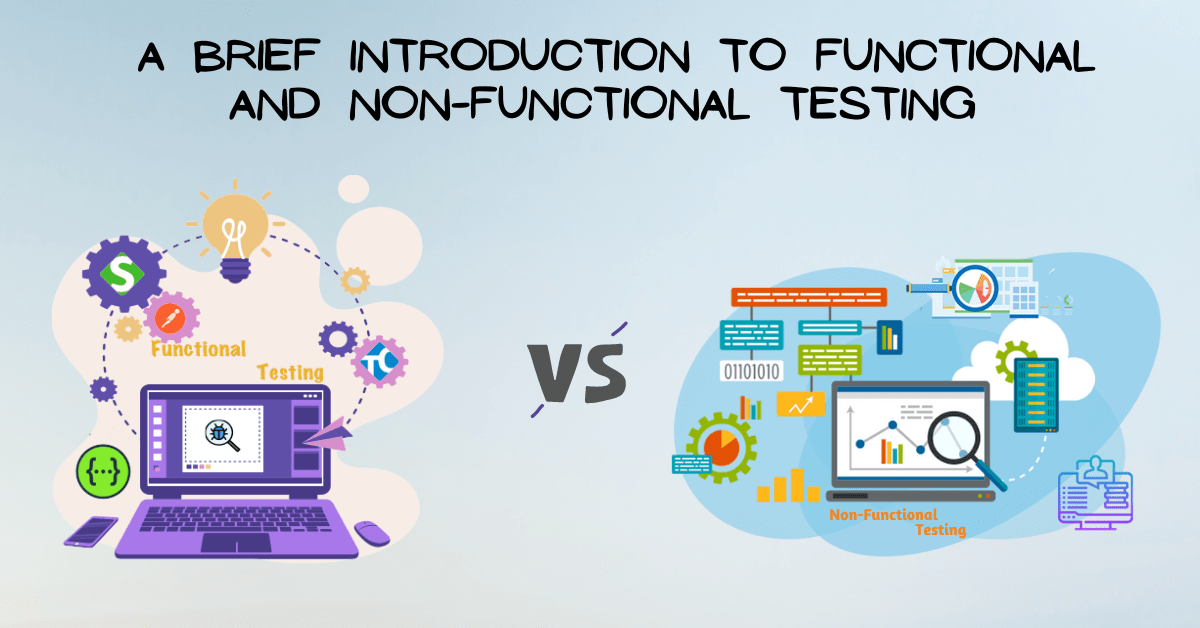
A Brief Introduction to Functional and Non-Functional Testing 

What comes to mind first when you think of software testing? Unit tests and integration tests are frequently on the minds of many engineers. A high-quality production codebase must be created and maintained using both software testing techniques. However, they don’t suffice on their own.

Your team’s testing procedure should evaluate the complete application, look broadly at how it functions when it is working correctly, and set sound alarms when deviations are discovered. A thorough software testing method must include both functional and non-functional testing to increase trust at each application tier.

Functional testing: What is it?

Functional testing is concerned with evaluating an application’s usability in light of a set of standards or requirements. A common practice in functional testing is to test specific sections of the underlying code.

Testing individual modules in isolation does not give a clearer picture than comparing actual outputs to intended behaviors. Errors typically occur when modules interact with one another.

Unit Testing
If a system is installed in a testing environment, unit tests for an API application could send requests and compare the results with the documentation. But there are only a few unit tests. Functional tests that cover the entire application frequently catch changes that unit tests miss when the application deviates or regresses in functionality.

Integration Testing 
Software module integration testing verifies how they work together. The components rely on explicit contracts for how they interact when programmers create code as loosely connected modules, which is typically the best practice. Integration tests produce warnings when these interactions result in regressions and verify that each component of the product fulfills its contractual obligations.

User acceptance testing
The user acceptance phase of software testing aims to simulate real-world interactions and functionality by giving end users or their representatives’ access to some or all of the program. Due to its unreliability, expense, and time commitment, user acceptance testing is rarely significantly relied upon in healthy engineering cultures. Nevertheless, user acceptance testing is an essential step in the testing process for the majority of apps.

Closed-box testing
Closed-box testing of the entire application is another type of functional testing that is possible. Closed-box testing ignores the application’s internal workings in favor of only testing the application’s outputs. Many engineers tend to gravitate toward when writing functional tests to supplement their non-functional tests. Only the work is examined; the code that interacts with the outermost layers is automatically verified. For apps that only need API testing, this procedure is straightforward because the code only needs to make API calls and analyze the outcome.

Non-functional testing: what is it?

Non-functional testing evaluates aspects of a program that don’t directly affect its functionality but are nevertheless crucial for the user experience. Although they aren’t essential parts of a software system, performance and reliability under stress can make or break the user experience. Non-functional test failures don’t always result in a problem that users would experience, but they can point to a more significant systemic issue.

Performance Testing
Performance is the topic of one crucial non-functional testing procedure. A software system is tested for performance to make sure it responds to requests quickly. Poor latency ruins the user experience, and well-written performance tests frequently find issues before users notice them.

Load Testing
A comparable category of non-functional testing is load testing. Few systems can reply to a single request per second with the same speed as they can to 10,000 requests per second. A system’s ability to manage peak loads and fail gracefully when it lacks the capability to handle workload spikes is verified through load testing.

Usability Testing
Testing for usability evaluates how well a user interacts with a product. Usability testing is typically a manual technique that does not scale effectively. However, lack of usability testing, mainly when localizing software, sometimes results in messy and imprecise user interfaces. Incorporating this testing into your software development process is time well spent.

Security Testing
Another class of non-functional tests is security testing. To ensure that your team’s applications are safe and adequately handle data, you should test them frequently. Depending on how exposed an application is to potential attacks, security testing can range from routine penetration testing to automatic scanning. Many teams do not consider security testing a component of their testing arsenal. It makes sense to incorporate security testing and treat it like unit testing.

How to Choose The Top Software Testing Companies in KSA

Regardless of the size of your business, you may want to hire a software testing services company if you’re getting ready to release a new app or piece of software. In addition to significantly shortening the release cycle, they will “detect” any code flaws and let you fix them before incensed customers post scathing reviews. Numerous firms focusing on quality assurance are now available (quality assurance).

However, you must comprehend the crucial elements that turn a team that is at best average into one you can entrust with your software. Let’s start looking at them right away.

Get to know the business first.
It may take a while to evaluate potential partners, especially when working with top software testing companies in KSA. You won’t have to worry about it if you understand the fundamentals of evaluating organizations in the information technology sector. So, the first step is to sort through bombastic assertions that seem unreal. I’m talking about the promise of outstanding quality and exclusive discounts of up to 70%.

Unfortunately, they breach their word when you put your trust in such a team and give them the first check. Missing deadlines could have terrible consequences if you scramble to deliver new software. For this reason, we suggest you compile a list of inquiries for the provider of software testing services. Make it very thorough as well. Contact a company representative (preferably over a video chat) and ask any queries you may have.

Start by addressing simple issues like when they will be available, how many testers they can provide for your project, and the associated cost. It would help if you talked about the deadline in detail.

Most software testing companies in KSA are open to discussing how they meet deadlines, give customers a priority, and what systems/procedures they use to do this. A significant warning sign is if they are hesitant to provide detailed responses.

Verify their competence.
Experience is considered the most valuable “resource” in the information technology industry. It naturally applies to software testing, web development, and web design. We constantly seek out a team of testers with a minimum of five years of experience. It is ideal if they are actively involved in quality control in your industry. Some clients choose to work with all-inclusive agencies.

Additionally, while we are not entirely against it, it could be a good idea to work with a software testing services company that exclusively performs software testing. Typically, this will be a (relatively) smaller service provider, but one that is easy to get in touch with and connect with because they only do this one type of work.

Verify the cost
Despite having significantly higher costs, prominent professionals in the field are influential. We are referring to software testing companies in KSA. They charge pretty and are innovators in information technology. Most businesses regard KSA as the “golden middle” since local vendors offer affordable costs while being the best at software development and testing.

Do Other People Trust Them?
Taking care of it is still another crucial issue. You might consider it if industry insiders have nothing but positive things to say about your potential testing partner. But how exactly can you confirm this? Start by learning how many awards they’ve won, the range of their portfolio, and the companies/clients they’ve previously worked with.

We advise you to read user comments and reviews on numerous websites. There are hundreds of trustworthy websites, and they are all far too worried about their reputation to be biased in any manner.

Understanding Software Testing Governance Framework 

Quality assurance is an essential component of any organization’s reputation and progress. While there are various points in a typical software development lifecycle where bugs and defects might cause interruption, a quality governance system is required to prevent quality issues.

It helps automate the discovery, management, and control of every “quality risk” for every software modification across the whole delivery pipeline. It is sometimes referred to as Software Quality Governance, and quality assurance methods are adopted across the firm thanks to a carefully established quality governance mechanism.

What is Software Testing Governance? 

It is a software testing discipline that oversees the test management process by employing appropriate process implementation, optimization, and performance enhancement strategies. Well-defined plans, strict test management policies and procedures, concepts, and test management tools guide the process.

It is used at all levels, from project to “test organization,” to assess and enhance product and deliverable quality. It also attempts to provide openness in software system measurement and performance evaluation so that additional improvements can be made.

Software Testing Governance Model

  • Test Objectives: The agile test governance framework outlines governance procedures and assists teams in achieving project objectives based on business requirements.
  • Test Strategy: A specified set of guiding principles that aid in creating tests and governs how the software testing process will go. It makes a systematic approach to software testing to ensure quality, dependability, traceability, and better planning.
  • Test management: It oversees the test operation and execution operations to improve the end product’s quality.
  • Test Measurement: Specifies how to measure, evaluate, monitor, and record data to design methods for assessing the processes’ actual performance.
  • Test Evaluation: For the root cause analysis, assess the risks and incident reports.
  • Test Improvement: Introducing consistent templates and techniques and test metrics for ongoing software quality improvement allows for early risk identification.

Software Testing Quality Governance Framework

Test Consultancy Companies provide a full range of QA consulting and development services, ranging from proper strategic planning to the selection of appropriate technology tools and the implementation of various types of testing procedures as required by the project and ongoing maintenance support.

  • Governance Setup: A set of processes and structures that deliver desired results while maximizing resource utilization to suit the interests of all stakeholders.
  • Delivery Model: Offering delivery approaches that assist you in aligning testing for a successful and efficient Agile Project delivery. They provide high-quality and stability testing services by offering a range of delivery options, including onsite, offsite, and offshore.
  • Risk Management Model: A standard model for identifying, analyzing, and assessing adverse conditions to avoid harming the testing operations.

Services for Software Testing

Companies offer various software testing services to help developers create fully functional, scalable, high-quality software.

  • Testing Solution Approach: Performance, load, functional, automation, API test automation, database, and more are all covered by our testing solution approach.
  • Test Management: Define a test management technique to be used during the testing phase to help speed up the process by delivering high-quality goods and avoiding costly setbacks.
  • E2E Testing: Test the whole software product from start to finish to verify that your business app stays up and running.

To summarize, when the test governance structure is implemented in the project, it gives crystallized proof that can be used to launch the product into the market confidently. The quality assurance governance model connects requirements management, technological challenges, and business hazards. It ensures that the system complies with the software testing best practices’ regulatory requirements.

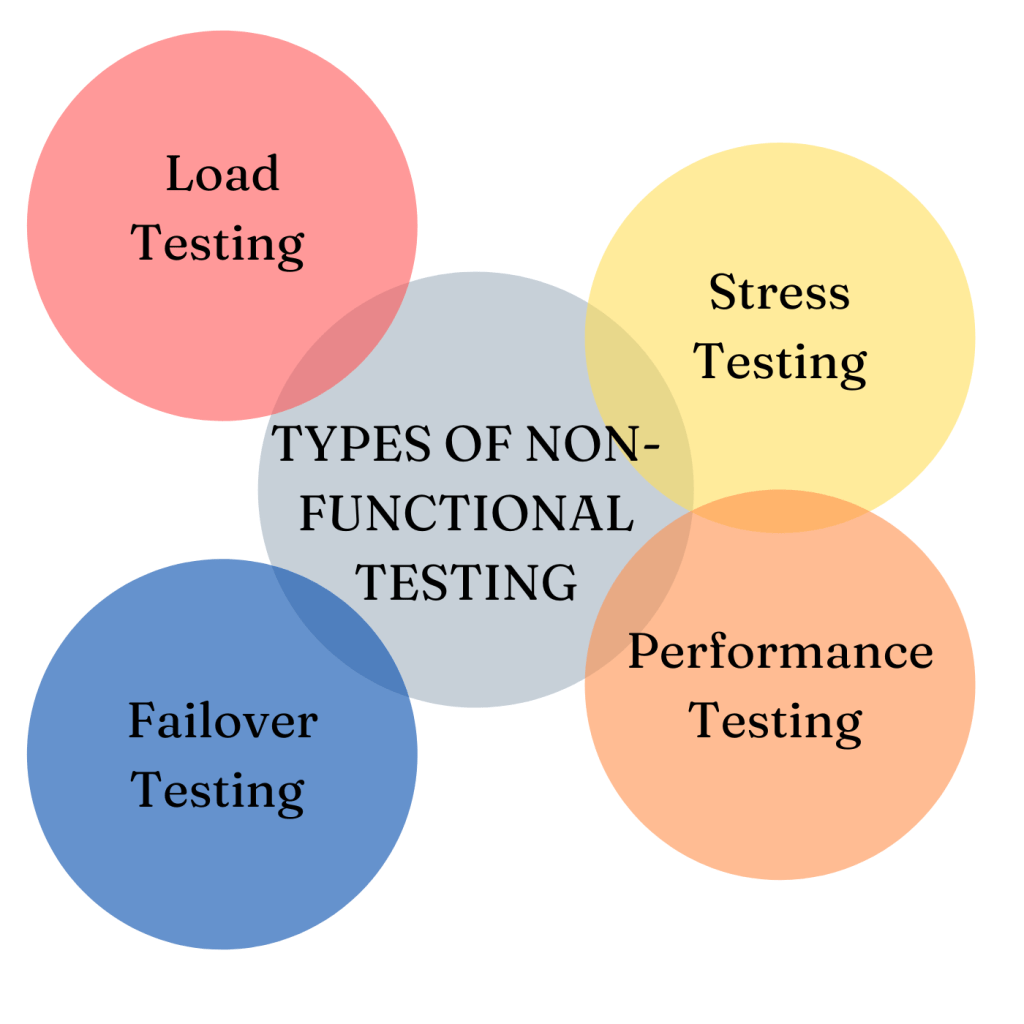
Different Non-Functional Testing and Its Objectives

Non-functional testing focuses primarily on the software’s quality, particularly non-functional factors like response time, security, scalability, usability, and performance. Non-functional software testing ensures that a program meets the performance expectations that have been established and defined, and it includes all tests that are not covered by functional testing.

Objective 


Any testing aims to identify existing issues in the program. Non-functional testing ensures the application’s durability and security, while functional testing ensures the seamless functioning of all essential functionalities. It becomes vital to design quality applications that can be developed utilizing web services testing at various stages of testing.

  • Increase the application’s usability, efficiency, security, scalability, and adaptability.
  • Ensure consumer happiness by ensuring that the application runs smoothly.
  • The application’s installation, configuration, execution, management, and maintenance are practical and successful.
  • Non-functional features have a significant reduction in risk and cost.

Listed below are the various types of non-functional testing. 

Performance Testing 


Non-functional testing has the potential to be interchangeable with performance testing. It helps to evaluate the software’s performance and ensures that the reaction time matches the intended time. The application is considered for the response time of numerous business essential procedures by creating a large load and a production-sized database. Performance testing is also done as part of the integration process.

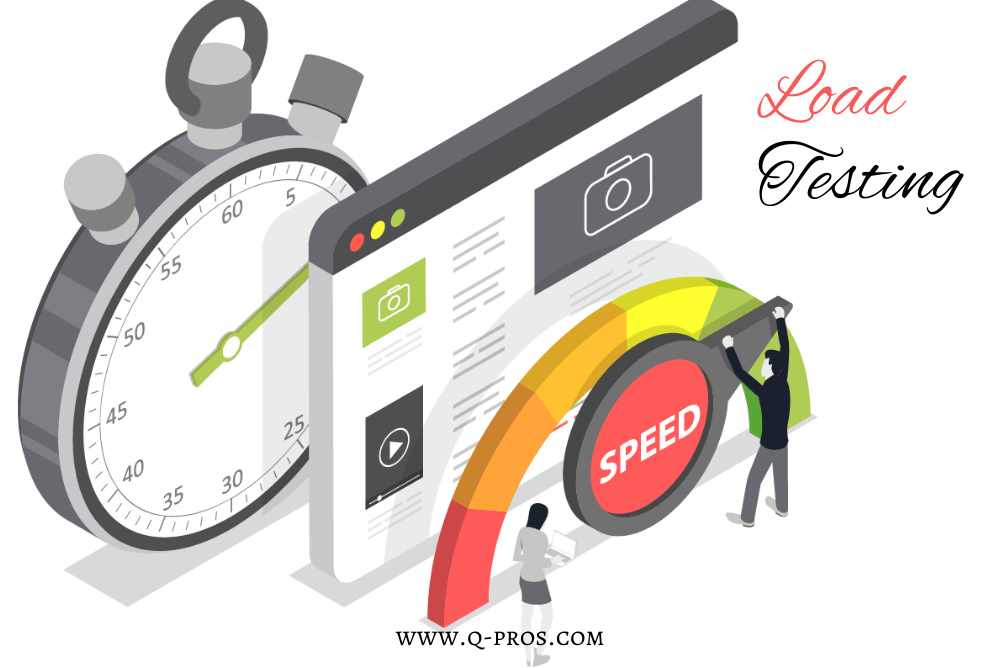
Load Testing 


Load testing is done to see if the system can withstand the pressure or load of many users accessing the application at the same time. For obtaining accurate results from load testing, the production load is recreated in the test environment. The same test is run in real-time with different users to confirm the results. While maintaining a realistic database, the focus remains on achieving the target response time regardless of the number of users.

Stress Testing


Stress testing is done to see how the software reacts when pushed beyond its limitations. In contrast to load testing, when the maximum load capacity is produced, stress testing is performed when the load generated is greater than the application’s capability. As a result, it is regarded as a means of assessing application performance in critical scenarios.

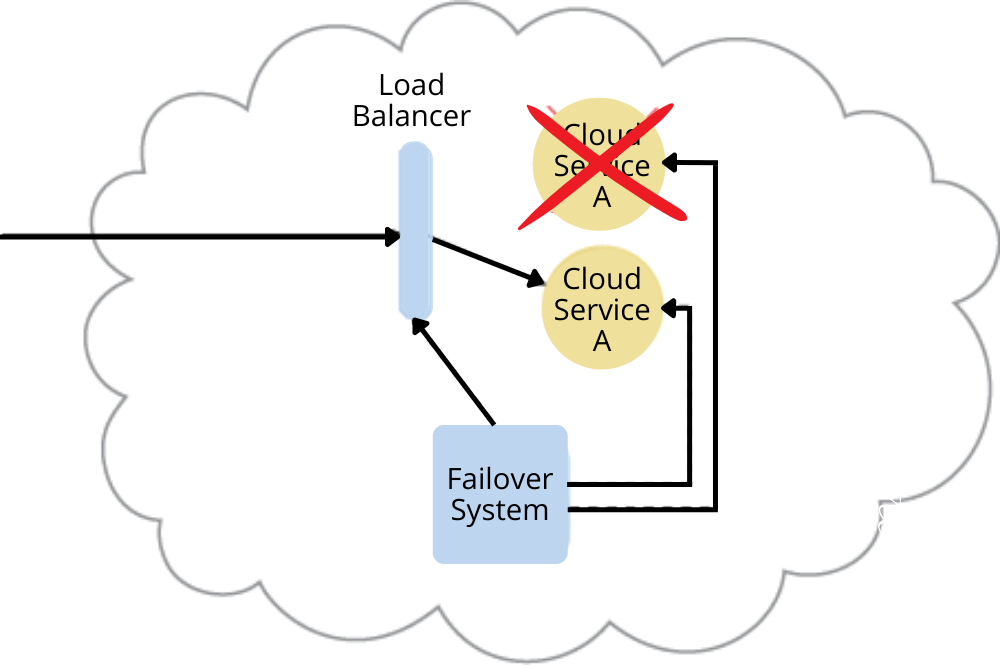
Failover Testing 


Failover non-functional testing assists in evaluating how the redundancy mechanism functions when the system is under excessive stress or has an unexpected breakdown. Furthermore, once the specific failed system has been restored, it must begin to work following the requirements; consequently, failover testing is not only essential but also critical in the application’s non-functional testing.

Don’t underestimate the worth that non-functional testing can bring to your application, as it can make or break your goals. All its associated objectives work to enhance the proficiency of your software. As a result, it helps the users to access the software without any difficulty. Choose your quality testing professionals wisely and let them determine which tests are necessary for your application and which tests will be automated to speed up the testing process.

Reasons to Outsource Your Software Testing 

In the age of startups, how you carry out your concept is crucial. To distinguish in the market, you need a bulletproof product or application. Software testing prepares an application for long-term market success. As a result, you must choose the best software testing company in KSA. However, if you miss the testing, you can lose money. The method facilitates the creation of high-quality, well-formatted commercial applications or solutions that are tailored to the needs of clients.

Reasons For Outsourcing


Testing is a Need for a Particular Period

Most startups use the same method to generate an MVP: they design the product first, then develop it, test it, and release it. As a result, the testing team is only involved once 50% of the development process is completed. It will also take a bit of time to deploy additional features after the original involvement and after getting market feedback, and the testing crew will need to be held until then. As a result, during this time, startups would like to work with the premier software testing company in KSA.

No Need of the Founders to Monitor Developers


In most cases, only the owners know the complete product scenario. As a result, they conduct testing in certain situations. However, when a certain period has passed, people may find it difficult to complete the testing. In such circumstances, they assume that hiring a professional software testing company in KSA will be a time-consuming operation. Therefore, they engage with freelance testers with strong profiles from testing companies.
Some May Only Need Quick Auditing 


For certain new items, continuous monitoring may not be necessary, and they only require a one- to three-week assessment by a third party. Startups request this form of a fast audit. As a result, we usually have five to six members of our software testing company in KSA sit down and do a brief audit in two weeks and submit a report. In this area, we cover product evaluation, customer personas, functionality audits, compatibility audits, and APP flow audits.

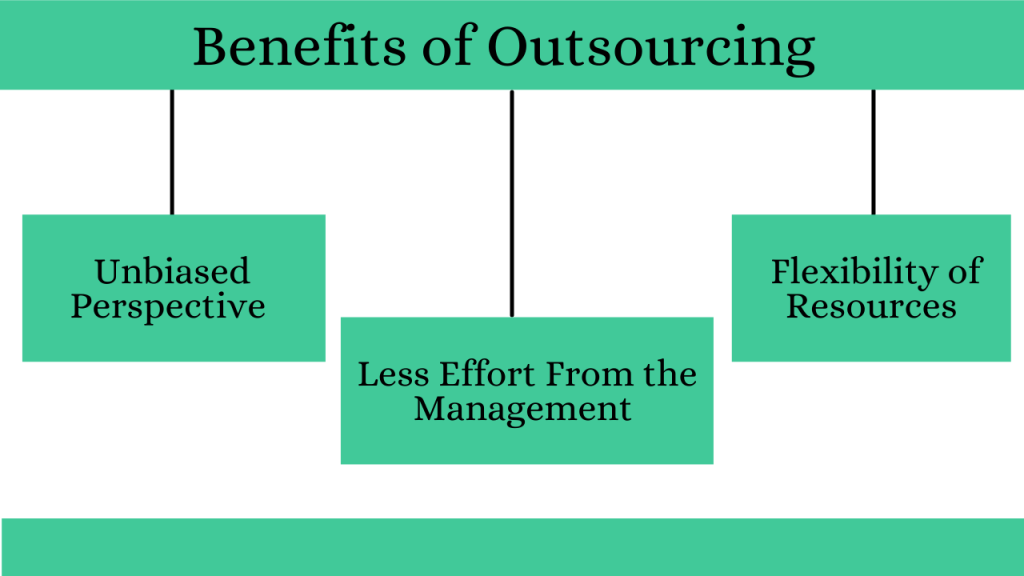
Benefits of Outsourcing


Unbiased Perspective 

Many business owners feel that their developers can do testing. However, there is an issue with it. Because they are the ones who create the software, the developer may have a skewed perspective on it. Professional testers, on the other hand, approach software with a fresh, unbiased perspective.

Less Effort From the Management

You won’t have to spend time and money hiring and training individuals if you use an external software testing company in KSA. Furthermore, the management team is not required to supervise the testing personally, which the testing team will handle. You’ll be able to focus your efforts on more important things with ease.

Flexibility of Resources


A software testing company in KSA will have a variety of tools. When you outsource, they’ll use the best tool for the job. They can select the tool they want to use. However, resources may be constrained with in-house testing. It would be complicated to choose the right tool or piece of equipment. When you outsource, on the other hand, they’ll utilize the most likely tool, and you’ll only have to pay for that.

7 Major Challenges of Mobile App Testing Services

Mobile application testing assesses the functionality, usability, and consistency of mobile application software. Mobile applications can be downloaded or come pre-installed through mobile software distribution channels. In 2015, global mobile app revenues were 69.7 billion dollars, and in  2020, it was expected to be 188.9 billion dollars. According to Statista, by 2023, mobile users will have increased to 7.26 billion. The number of downloads of mobile apps is expected to reach 258 billion by 2022.

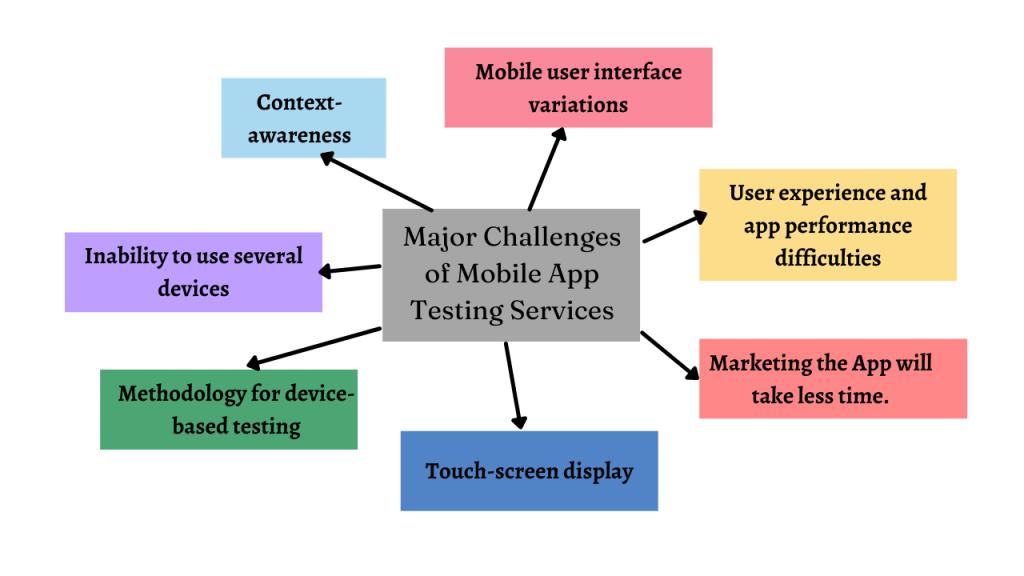
Major Challenges of Mobile App Testing Services

The following are some of the major problems faced by mobile app testing services:

User experience and app performance difficulties

A delay of more than two seconds might have a major impact on the user’s performance. The software should also have a new, well-designed, and pre-defined user interface. Mobile applications free of defects and flaws will provide a better user experience.

Touch-screen display

Data can be displayed and retrieved quickly and easily using a touch screen. It is now one of the most popular means of user interaction. Touch screen testing is more difficult and stable than other types of testing. Apart from that, signals or signs displaying data present a barrier in the testing process.
Context-awareness

Context-awareness is one of the most difficult aspects of mobile app testing, and it necessitates new and creative solutions. Mobile applications in various circumstances and with various data can often provide new challenges in the testing process. The surroundings and usage patterns of smartphones are always changing, which can impact context.

Marketing the App will take less time.

Impossible deadlines set by app developers may significantly impact mobile app testing. Different stages of mobile development are intertwined, and testing must be monitored. Users expect a mobile app to be delivered in as little as 20 days, which slows down the testing process. Great timelines must be set up for effective testing and the last deployment.

Mobile user interface variations

There are various user interfaces for operating systems, such as Windows, Android, and others. As part of the verification process, it is required to carry out a rigorous check on the layout of the elements. If apps do not follow the rules and regulations, the publishing process is delayed, which increases the cost of testing and development.

Inability to use several devices

Two testers may require identical gadgets simultaneously. It would be difficult for two testers to use the same gadgets. As a result, one tester will be left out until the other has finished. Multiple device procurement is time-consuming and costly. It’s also not a good idea to send testers across continents.

Methodology for device-based testing

This strategy necessitates the purchase of brand new mobile devices and the establishment of a testing facility. It is expensive, and this method must adapt to new mobile devices and platforms.

Mobile app testing services can be successful and worthwhile provided they follow a suitable, specialized, and systematic testing method. When testing mobile apps, it’s good to keep the above issues in mind.

7 Top Reasons Why Software Testing Is Important For Businesses

Software testing is the process of assessing and confirming that a software product or application performs as expected. It ensures that things are reliable and valuable. Although testing takes time, businesses must understand why it is so crucial for them in the first place. Let’s take a look at why software testing is essential for business.

Consider the following reasons why software testing is necessary for businesses:

Reasons why software testing is necessary for businesses:

1. Gaining the trust of customers
2. To determine the software’s flexibility
3. Error detection
4. To save money
5. To speed up the development of software
6. To stay away from danger
7. To improve business

1. Gaining the trust of Customers

Gaining the trust of Customers

Software testing ensures that the software is easy to use. As a result, it can be used by the customers for whom it was designed. Customers’ wants are familiar to those who specialize in software application testing. Unless software meets a customer’s needs, it is a pointless investment. Software testers are specialists in a specific type of software—different types of software appeal to different types of users. Software testing is so effective in gaining client trust because it’s case-by-case rather than one-size-fits-all. It prioritizes customer satisfaction.

2. To determine the software’s flexibility

To determine the software's flexibility

Software must be cross-platform to provide a seamless user experience. Few buyers will purchase applications that can only run on an Apple Mac operating system. Testing reduces faults in performance while also improving the software’s compatibility and adaptability. Only the most adaptive software can truly convert into market success.

3. Error detection

Error detection

Software testing is what ensures that goods are free of flaws before they are delivered to customers. Untested software always has the risk of glitches and defects. The product will work better because hidden faults will be revealed and rectified during testing. A single flaw can tarnish a software development firm’s reputation.

4. To save money

 To save money

Errors are linked to the cost of compensating customers who have been inconvenienced by malfunctioning software. These extra costs could add up to a significant amount of money in damages because the customer was not only dissatisfied with the items for which they bought but their time, which they could have spent elsewhere, was also rendered useless. According to Tim Berners-Lee, there is a widespread misconception that software testing is stressful and that testers “harm” software.

5. To speed up the development of software

To speed up the development of software

Some businesses overlook software testing because they have invested too much time in software development. Avoiding such pitfalls in software development requires staging the design process to ensure both software testing and software development are taking place at the same time. Software development can be sped up and made more efficient.

6. To stay away from danger

To stay away from danger

Bugs and glitches are the worst since they show that software isn’t secure. Errors or flaws in software designed for businesses can expose them to risk, resulting in significant information losses to competitors and a slew of internal communication failures.

7. To improve business

To improve business

Customer retention is a software developer’s goal, and every customer wants to find a trustworthy service worth their money. As a result of providing effective software, a company can become entangled in a software provider’s reputation, and it also improves the company’s brand image and lowers support costs.
The above-listed points show the importance of software testing vividly and encourage every software or application owner to not proceed in business without it. 

Design a site like this with WordPress.com
Get started